Splitting the Flame: A Blower's Blueprint for Making Co-Op Studio Life Actually Pay Off
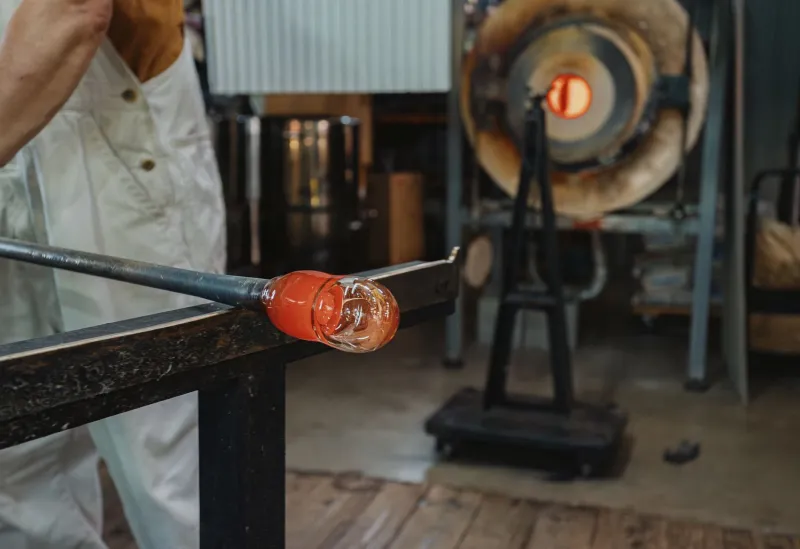
Let's be honest — owning a private hot shop is a fantasy for most working glassblowers. A mid-range glory hole alone can run $8,000 to $15,000. Throw in a furnace, an annealer, ventilation, and a lease on industrial square footage, and you're looking at a six-figure setup before you've blown a single gather. That's why co-op studios have become one of the most talked-about models in the American glass community over the last decade. Done right, they're a lifeline. Done wrong, they're a slow-motion financial disaster.
So what separates the co-ops that thrive from the ones that quietly implode by month eight? A lot of it comes down to math, communication, and a surprisingly unsexy concept: structure.
Know Your Numbers Before You Sign Anything
The first mistake most blowers make when joining or forming a co-op is skipping the break-even math. It feels like killing the vibe, but trust us — it saves friendships.
Start with your fixed monthly costs: rent, utilities (and glass studios eat electricity and gas like nothing else), insurance, and any equipment financing. In a mid-sized American city, a properly equipped shared hot shop might run anywhere from $3,500 to $7,000 a month in overhead before anyone touches a punty rod. Divide that by the number of active members, and you've got your baseline floor cost per person.
But here's where most co-ops undercount: consumables. Batch materials, colorants, replacement parts for burners, grinding wheels, safety gear — these add up fast and tend to get absorbed unevenly unless someone's tracking them. Build a consumables fund into your monthly dues from day one. A common rule of thumb among experienced co-op operators is to add 15–20% on top of your fixed cost estimate specifically for supplies and small repairs.
Once you know your real monthly number, figure out how many studio hours each member needs to justify their share. If you're paying $600 a month for access, are you getting enough production time to recoup that in sales? If not, you either need more hours, lower dues, or a hard look at your pricing.
Scheduling: The Thing That Kills More Co-Ops Than Anything Else
Ask anyone who's been part of a co-op that fell apart, and nine times out of ten, scheduling drama was somewhere in the story. The glory hole doesn't care that two members both need it on Saturday morning for back-to-back commissions.
The studios that handle this best treat scheduling like a shared resource, not a free-for-all. That means a digital booking system — something as simple as a shared Google Calendar with defined time blocks works fine for smaller groups. Larger co-ops with eight or more members often invest in dedicated studio management software like Bookeo or even custom-built systems.
A few scheduling principles worth borrowing from successful co-ops:
- Priority tiers matter. Members who pay higher dues or have been around longer often get first pick of prime-time slots. This feels hierarchical, but it incentivizes commitment.
- Dead time is wasted money. Some co-ops sell off unfilled slots to visiting artists or advanced students for a day-rate fee. That revenue goes straight back into the consumables fund.
- Buffer time is not optional. Build 30-minute transition windows between sessions. Glass studios take time to reset, and rushing the next person in before the previous one is cleaned up is a fast track to broken equipment and bad blood.
Equipment Maintenance: Assign It or Lose It
Shared equipment has a tragedy-of-the-commons problem. When everything belongs to everyone, nobody owns the responsibility of keeping it running. The studios that avoid this assign specific maintenance roles to specific members — often tied to a dues discount or a reduced hourly rate as compensation.
At Glassroot Collective in Asheville, North Carolina, co-founder Dana Mercer implemented what she calls a "stewardship rotation" — each member takes a month-long turn as equipment lead, responsible for logging any issues, scheduling professional service calls, and doing basic weekly checks on the furnace and annealer. "It sounds like a lot," she told us, "but it's maybe two hours a week, and it means nothing falls through the cracks. We haven't had a catastrophic equipment failure in three years."
Building a dedicated maintenance reserve fund is equally important. Industry veterans suggest setting aside 5–10% of monthly gross dues specifically for equipment repair and eventual replacement. A glory hole that runs 40+ hours a week in a busy co-op has a shorter service life than one in a private studio used by a single artist. Plan for that reality.
The Legal Layer Nobody Wants to Deal With (But Has To)
Here's the part of the co-op conversation that makes most artists' eyes glaze over: legal structure. But skipping this step has ended real studios and real friendships.
At minimum, every co-op should have a written membership agreement that covers dues, notice periods for leaving, what happens to a member's deposits if they exit early, and how disputes get resolved. Many co-ops formalize as LLCs for liability protection — especially important when you're running equipment that operates at 2,000°F and welcoming visiting artists who aren't covered under a member's personal insurance.
An entertainment lawyer or small business attorney familiar with artist collectives can draft a solid operating agreement for $500–$1,500. That's cheap insurance against the kind of disputes that end co-ops.
When the Model Actually Works
The co-ops that genuinely thrive tend to share a few traits beyond just good paperwork. They have a culture of transparency around money — monthly cost breakdowns shared with all members, no financial black boxes. They actively recruit members who complement each other's schedules rather than compete for the same peak hours. And they treat the studio itself as a brand, hosting open houses, selling guest passes for workshops, and building a community identity that makes the space feel like more than just a bill-splitting arrangement.
At its best, a well-run co-op gives blowers access to equipment they could never afford alone, a built-in creative community, and enough financial breathing room to actually focus on the work. That's not nothing — that's the whole point.
The glory hole doesn't have to be a solo investment. But it does have to be a smart one.