Make More Glass, Make More Money: The Production Pivot Serious Blowers Are Finally Embracing
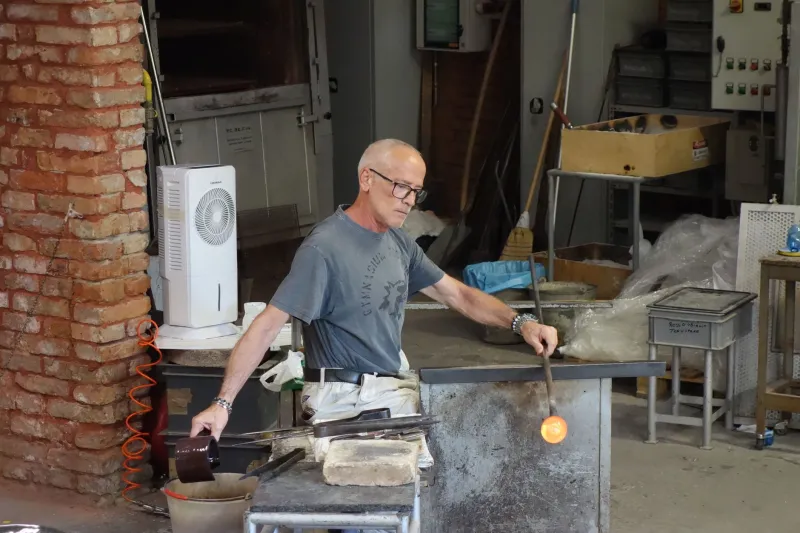
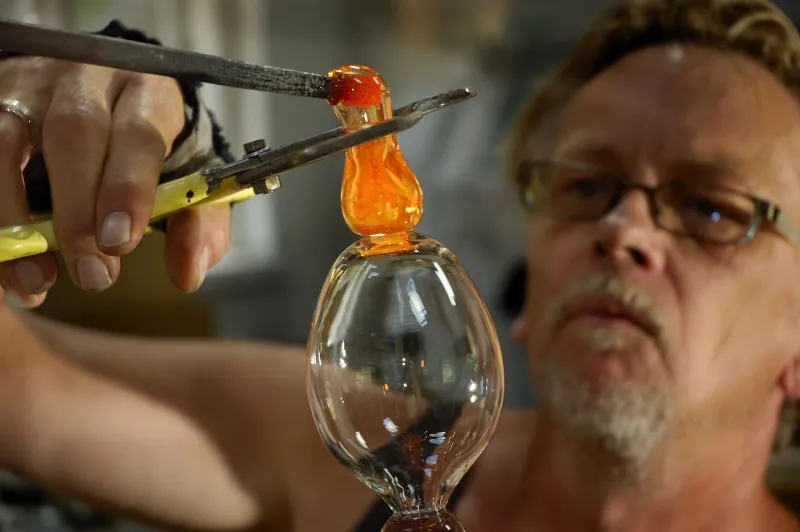
Talk to enough glassblowers and you'll eventually hear some version of the same confession: they spent years chasing gallery recognition, pouring everything into singular statement pieces, and wondering why the bank account never quite reflected the effort. Then something shifted. They started making the same vessel twelve times in a row, landed a wholesale account, and suddenly the math started working.
Production glassblowing — the deliberate, repeatable making of functional or decorative ware in consistent batches — has long carried a stigma in fine craft circles. The art world narrative goes something like this: real artists make unique things. Multiples are for factories. If you're making the same bowl over and over, you've somehow compromised your vision.
That narrative is costing a lot of talented people a lot of money.
The Economics Nobody Talks About at the Furnace
Here's the counterintuitive reality of the glassblowing market: a beautifully executed, one-of-a-kind sculptural piece priced at $800 might sit in a gallery for six months before finding a buyer — if it sells at all. Meanwhile, a clean, well-made set of four drinking glasses priced at $120 can move dozens of units a month through a boutique retailer, a restaurant partnership, or an online shop.
The math isn't even close.
When you break down the actual dollars-per-hour return on fine art studio glass versus production functional ware, production wins in most scenarios — especially for blowers who are still building their collector base. The fixed costs of running a hot shop (propane, electricity, glass batch, equipment maintenance) don't care whether you're making a museum-quality sculpture or a set of bud vases. Spreading those costs across thirty consistent pieces instead of one ambitious showstopper dramatically improves your margin.
And there's another factor that rarely gets discussed: efficiency compounds over time. The twentieth time you pull a specific form, you're faster, cleaner, and wasting less material than the first time. Production work is, in a very real sense, a technical training program disguised as commerce.
What Wholesale Actually Looks Like for Glass Artists
Several American glassblowers who've made the production pivot describe wholesale relationships as the closest thing to predictable income the craft offers. Instead of selling directly to individual collectors one piece at a time, wholesale means supplying retail shops, home goods boutiques, restaurant groups, or interior designers with consistent inventory at roughly half your retail price — in exchange for volume orders.
The tradeoff is real: your per-piece revenue drops. But the volume, reliability, and elimination of the sales hustle often more than compensates. One Asheville-based blower who asked to remain anonymous described doubling her effective hourly earnings after securing three wholesale accounts with regional kitchen and home stores. "I stopped spending half my week doing art fairs and started spending that time actually blowing glass," she said. "The studio time itself got better because I was making things that sold."
Another blower based outside Portland, Oregon, built a wholesale line of hand-blown drinking vessels specifically for the craft cocktail bar market — a niche that values handmade aesthetics but needs durable, functional, replaceable glassware. He now supplies eight bars across the Pacific Northwest and maintains a waitlist for new accounts.
Breaking the 'Real Artist' Myth
The cultural hangup around production work is worth examining directly, because it holds a lot of talented people back.
The idea that making multiples is somehow lesser than making unique pieces doesn't really hold up historically. The great studio glass movement of the 1960s and 70s, pioneered by figures like Harvey Littleton and Dale Chihuly, was itself a reaction against industrial production — but even Chihuly's studio operates as a production environment in many respects, with teams executing consistent forms at scale. The romanticized lone genius at the glory hole is more myth than reality in most successful glass operations.
Beyond the history lesson, there's a craft argument for production work that's genuinely compelling: repetition is how you get good. Ask any experienced blower and they'll tell you that consistency — the ability to hit the same wall thickness, the same proportions, the same color saturation across a run of pieces — is one of the hardest technical skills in the discipline. Production work forces you to develop it.
That consistency, once built, also makes your one-off work better. The control you develop making thirty matching tumblers shows up in your sculptural pieces as a kind of quiet confidence in the material.
Building a Production Line That Doesn't Bore You to Death
The legitimate concern about production work isn't really about artistic integrity — it's about creative burnout. Making the same piece hundreds of times can become numbing if you let it, and a bored glassblower is a dangerous one (literally — inattention at the furnace is how accidents happen).
The blowers who thrive in production environments tend to approach it strategically. A few approaches that come up repeatedly:
Seasonal collections. Rather than locking into a single product indefinitely, some makers release limited production runs tied to seasons or themes. This gives the work a natural endpoint and keeps the design process active.
Tiered studio time. Splitting your hot shop schedule between production sessions and open creative time — say, three days a week on production, two days on experimental or fine art work — lets you fund the creative exploration with the reliable income.
Design evolution. The best production lines aren't static. Successful makers treat their repeatable forms as living designs, refining proportions, exploring new colorways, or adding subtle variations that keep the work interesting without abandoning what sells.
Collaboration. Some blowers bring on assistants or studio partners specifically for production runs, which speeds output, reduces physical strain, and introduces a social dynamic that breaks the monotony.
Where to Start If You're Considering the Pivot
If you're a blower who's been grinding the gallery and art fair circuit without the financial results to match the effort, production work is worth a serious look. Start small: identify two or three forms you can make cleanly and consistently, price them for wholesale viability (generally meaning your retail price needs to leave room for a 50% wholesale discount and still cover your costs with margin), and approach five to ten local retailers with samples.
Farmers markets and craft fairs remain solid testing grounds for functional production glass — they let you gauge what moves, get direct feedback, and build a customer mailing list without the gatekeeping of the gallery system.
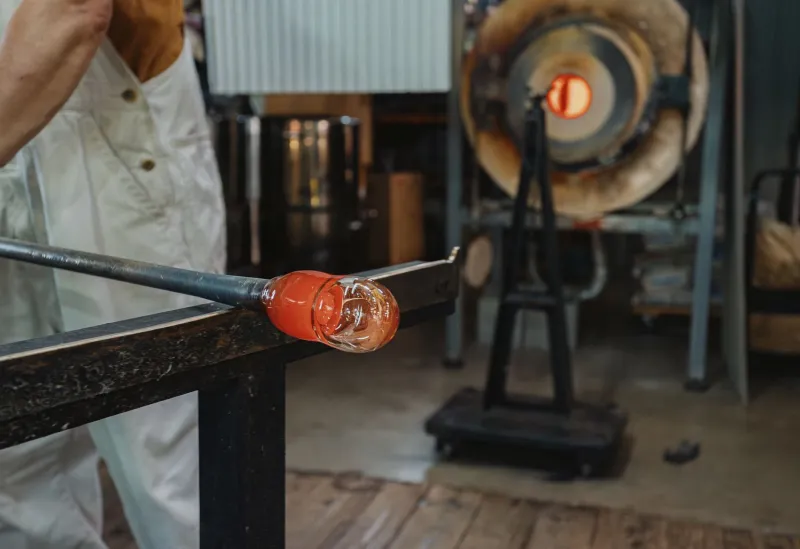
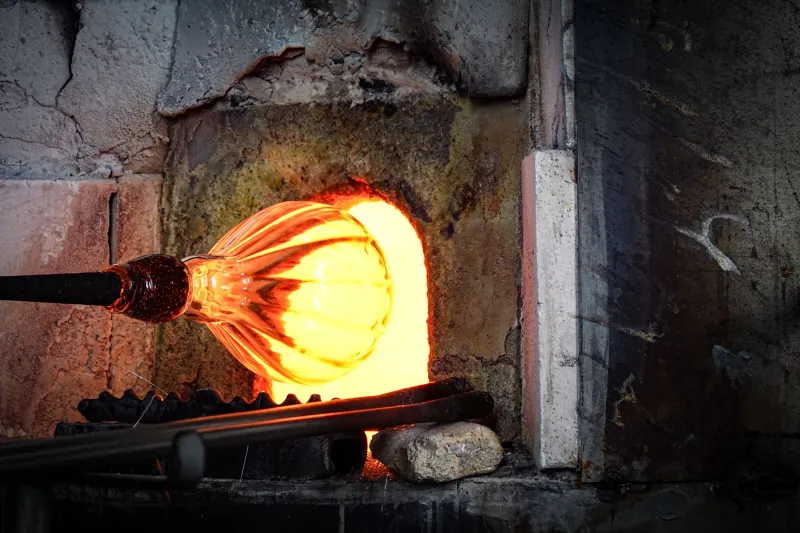
The glory hole doesn't care whether you're making a singular masterpiece or your fiftieth matching carafe of the season. The heat is the same. The skill required is the same. The difference is whether the work you're putting in is actually building the financial foundation your practice needs to survive long-term.
For a growing number of American glassblowers, the most radical creative act turned out to be making the same thing really, really well — and getting paid reliably for it.